
Introduction
In the dynamic world of the meat industry, packaging plays a pivotal role in ensuring product safety, extending shelf life, and meeting consumer expectations. As we step into 2026, it's crucial for stakeholders—wholesale meat buyers, retailers, grocery stores, restaurant and food service providers, meat processing professionals, food distributors, logistics companies, meat product manufacturers, butchers, specialty meat shops, and institutional buyers—to stay abreast of the latest trends and innovations in meat packaging. This article delves into the current landscape, emerging technologies, and best practices shaping the future of meat packaging.
The Evolution of Meat Packaging
Meat packaging has undergone significant transformations over the decades. From traditional butcher paper to vacuum-sealed bags, the primary objectives have remained consistent: preserving freshness, ensuring safety, and appealing to consumers. However, with advancements in technology and changing consumer preferences, the industry is witnessing a paradigm shift.
Sustainable Packaging Solutions
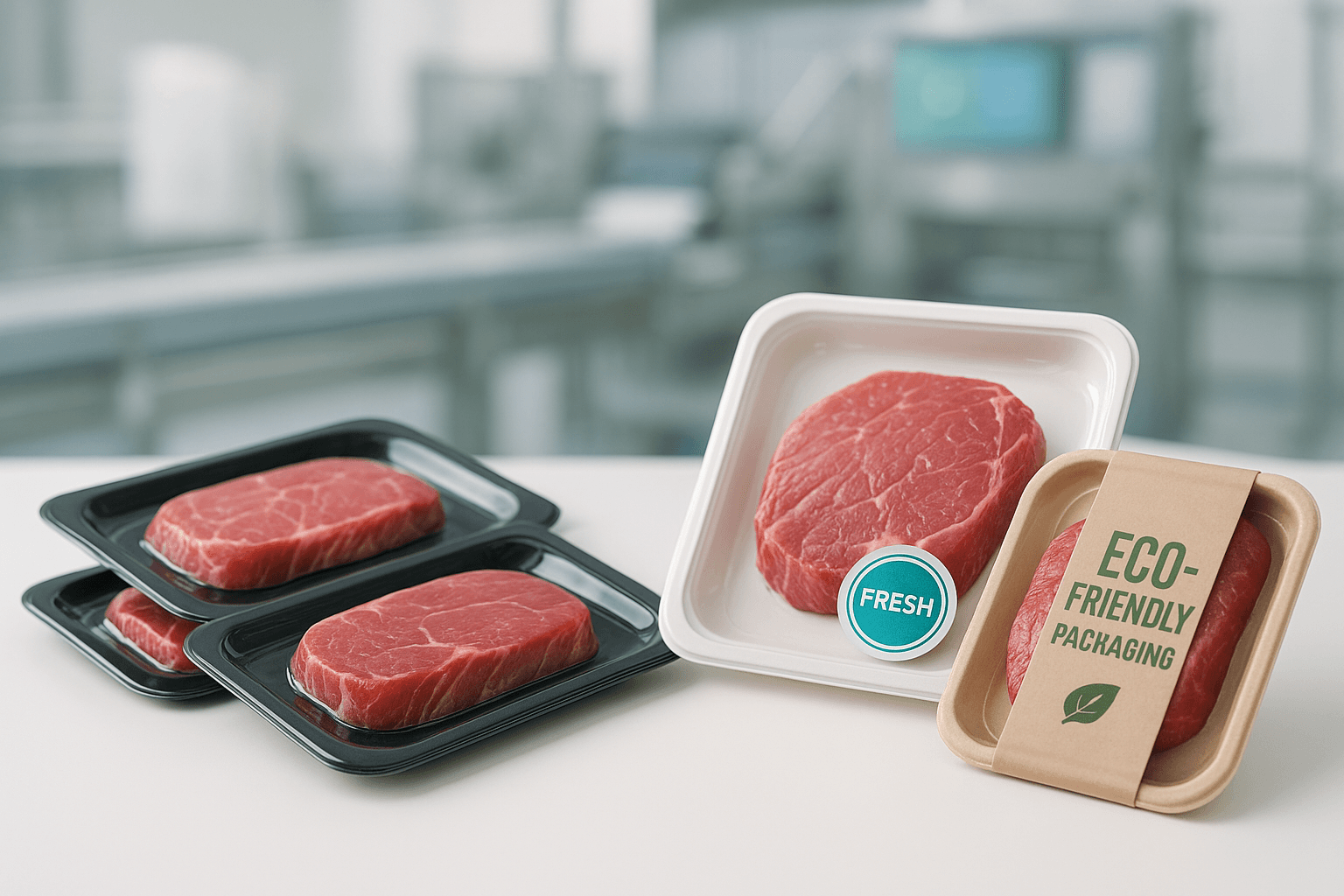
Environmental concerns are at the forefront of consumer consciousness. The meat industry is responding by adopting sustainable packaging solutions. Biodegradable materials, recyclable plastics, and compostable packaging are gaining traction. Companies like Fridau are exploring eco-friendly alternatives to reduce their carbon footprint and appeal to environmentally conscious consumers.
Smart Packaging Technologies
The integration of technology into packaging is revolutionizing the meat industry. Smart packaging solutions, such as time-temperature indicators and freshness sensors, provide real-time information about the product's condition. These innovations enhance food safety, reduce waste, and build consumer trust.
Vacuum Skin Packaging (VSP)
Vacuum Skin Packaging (VSP) is emerging as a preferred method for meat packaging. By tightly enclosing the product in a transparent film, VSP offers several advantages:
- Extended Shelf Life: The vacuum environment slows down microbial growth, preserving freshness.
- Enhanced Product Presentation: The clear film showcases the meat's quality, appealing to consumers.
- Reduced Packaging Material: VSP uses less plastic compared to traditional methods, aligning with sustainability goals.
Modified Atmosphere Packaging (MAP)
Modified Atmosphere Packaging (MAP) involves altering the atmospheric composition within the packaging to extend shelf life and maintain product quality. By adjusting oxygen, carbon dioxide, and nitrogen levels, MAP effectively slows down spoilage and preserves the meat's color and texture.
Antimicrobial Packaging
Incorporating antimicrobial agents into packaging materials is a proactive approach to combat foodborne pathogens. These agents inhibit microbial growth, ensuring the meat remains safe for consumption over a longer period. This innovation is particularly beneficial for wholesale buyers and retailers aiming to reduce spoilage and returns.
Personalized and Interactive Packaging
With the rise of digitalization, personalized and interactive packaging is becoming a trend. QR codes on packaging can lead consumers to recipes, sourcing information, and sustainability practices. This engagement not only educates consumers but also fosters brand loyalty.
Regulatory Compliance and Standards
Staying compliant with evolving regulations is paramount. Packaging materials and methods must adhere to food safety standards set by authorities. Regular audits, certifications, and staying informed about regulatory changes are essential practices for businesses in the meat industry.
Best Practices for Implementing New Packaging Solutions
- Conduct Market Research: Understand consumer preferences and industry trends to choose the most suitable packaging solutions.
- Collaborate with Suppliers: Work closely with packaging suppliers to develop customized solutions that meet your specific needs.
- Invest in Employee Training: Ensure staff are trained in handling new packaging technologies and materials.
- Monitor Performance: Regularly assess the effectiveness of packaging solutions in terms of shelf life, safety, and consumer feedback.
- Stay Informed: Keep abreast of technological advancements and regulatory changes to remain competitive.
Conclusion
The meat packaging industry is at a crossroads of innovation and sustainability. Embracing new technologies and practices is not just a trend but a necessity to meet the demands of modern consumers and regulatory bodies. As we look to the future, collaboration, adaptability, and a commitment to quality will be the hallmarks of success in meat packaging.
Call to Action: We invite industry professionals to share their experiences and insights on implementing innovative packaging solutions. How has your organization adapted to these changes, and what challenges have you encountered? Your perspectives are invaluable in shaping the future of meat packaging.