
Introduction
In the ever-evolving landscape of the meat industry, sustainability has emerged as a pivotal focus, especially within slaughtering practices. As professionals dedicated to delivering quality meat products, understanding and implementing sustainable methods is not just an ethical choice but a strategic imperative. This article delves into the significance of sustainable slaughtering, explores innovative practices, and highlights how Fridau is leading the charge in this essential transformation.
The Imperative for Sustainable Slaughtering
The meat industry faces increasing scrutiny over its environmental impact, animal welfare standards, and resource consumption. Traditional slaughtering methods often contribute to greenhouse gas emissions, excessive water usage, and ethical concerns regarding animal treatment. Embracing sustainable practices addresses these issues by:
- Reducing Environmental Footprint: Implementing energy-efficient technologies and waste reduction strategies minimizes pollution and conserves natural resources.
- Enhancing Animal Welfare: Adopting humane handling and slaughtering techniques ensures ethical treatment, aligning with consumer expectations and regulatory standards.
- Meeting Consumer Demand: Today's consumers are more informed and concerned about the origins of their food, favoring products from companies that prioritize sustainability.
Innovative Sustainable Slaughtering Practices
Advancements in technology and methodology have paved the way for more sustainable slaughtering practices. Key innovations include:
1. Energy-Efficient Facilities
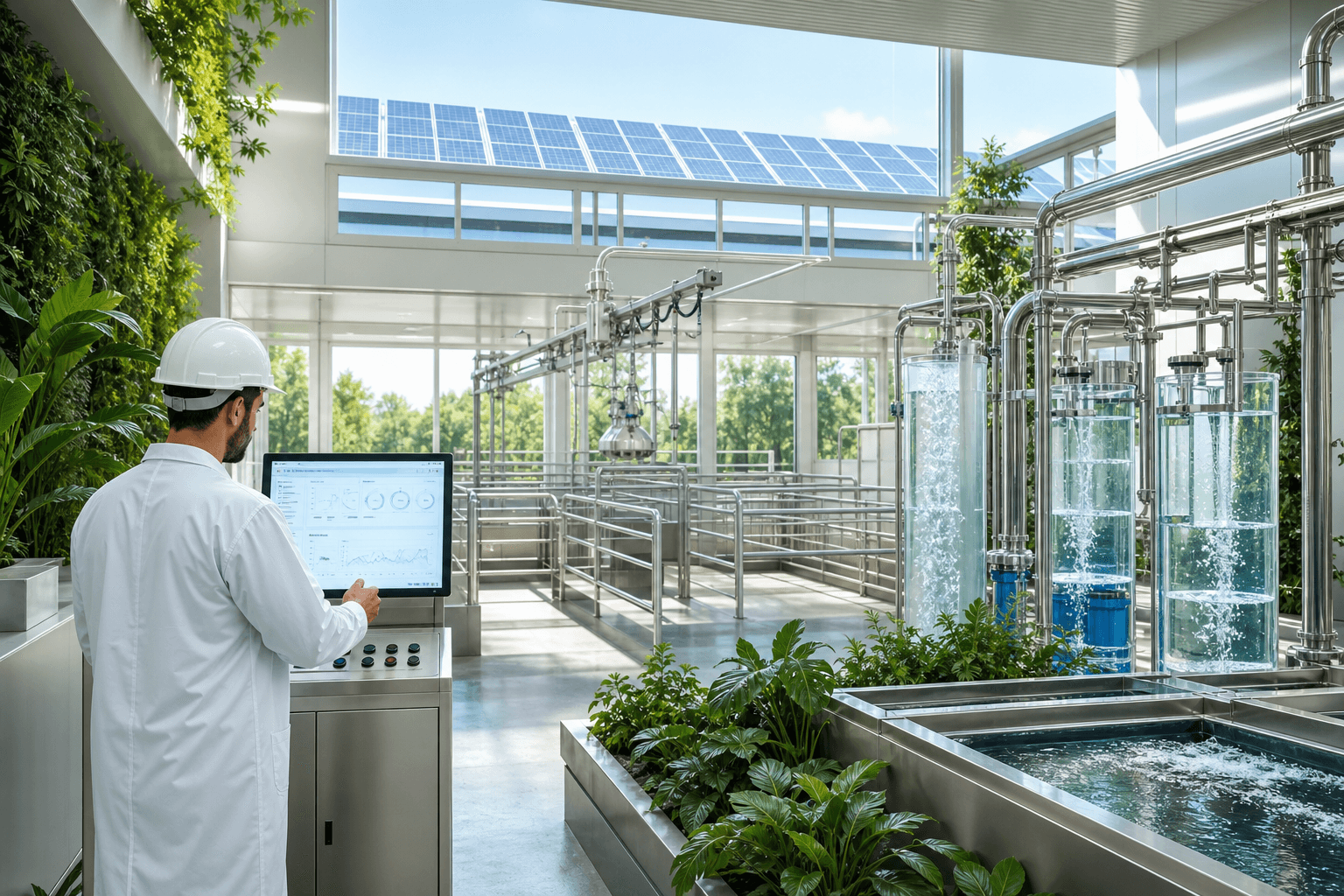
Modern slaughterhouses are integrating energy-efficient systems to reduce consumption. Utilizing renewable energy sources, such as solar or wind power, and implementing energy-saving equipment significantly lower the carbon footprint.
2. Water Conservation Techniques
Water is a critical resource in slaughtering processes. Implementing water recycling systems and efficient usage protocols can drastically reduce water waste. Technologies like closed-loop water systems ensure that water is reused safely, minimizing overall consumption.
3. Waste Management and By-Product Utilization
Effective waste management involves converting by-products into valuable resources. For instance, rendering animal fat into biofuel or processing waste into organic fertilizers not only reduces landfill usage but also creates additional revenue streams.
4. Humane Slaughter Methods
Investing in humane slaughter technologies, such as controlled atmosphere stunning (CAS), ensures minimal stress and pain for animals. These methods align with ethical standards and improve meat quality by reducing stress-induced biochemical changes.
Fridau's Commitment to Sustainable Slaughtering
At Fridau, we recognize the critical role sustainability plays in the future of meat processing. Our commitment is reflected in several key initiatives:
1. State-of-the-Art Facilities
Our slaughtering facilities are designed with sustainability at their core. We have integrated energy-efficient systems and utilize renewable energy sources to power our operations, significantly reducing our environmental impact.
2. Advanced Water Management
Fridau employs cutting-edge water recycling technologies, ensuring that our water usage is both efficient and responsible. By treating and reusing water within our processes, we conserve this vital resource and minimize waste.
3. Comprehensive Waste Reduction
We have implemented a zero-waste policy, where all by-products are repurposed. From converting waste into bioenergy to producing organic fertilizers, our waste management strategies exemplify our dedication to sustainability.
4. Ethical Animal Treatment
Animal welfare is paramount at Fridau. We adhere to the highest standards of humane treatment, utilizing advanced stunning methods that ensure a stress-free environment for the animals, resulting in superior meat quality.
The Business Case for Sustainable Slaughtering
Adopting sustainable slaughtering practices is not only ethically sound but also offers tangible business benefits:
- Cost Savings: Energy and water-efficient systems reduce operational costs over time.
- Market Differentiation: Sustainability initiatives distinguish your brand in a competitive market, appealing to eco-conscious consumers.
- Regulatory Compliance: Proactively implementing sustainable practices ensures compliance with evolving environmental and animal welfare regulations, mitigating the risk of penalties.
Conclusion
The transition to sustainable slaughtering practices is a necessary evolution in the meat processing industry. By embracing innovative technologies and ethical methodologies, companies can reduce their environmental impact, enhance animal welfare, and meet the growing consumer demand for responsibly sourced products. Fridau is proud to lead this charge, setting a benchmark for sustainability in meat processing.
Call to Action
We invite our partners and industry peers to join us in this vital journey toward sustainability. Together, we can redefine industry standards and contribute to a more ethical and environmentally responsible future.
What sustainable practices have you implemented in your operations, and what challenges have you encountered along the way?