
Introduction
In the dynamic world of meat processing, staying ahead requires not only skill and dedication but also an embrace of technological advancements. As we step into 2026, the industry is witnessing transformative changes driven by innovation and efficiency. For professionals in the meat processing and butchery sectors, understanding these trends is crucial to maintaining competitiveness and meeting the evolving demands of wholesale meat buyers, retailers, food service providers, and other stakeholders.
Automation and Robotics: Revolutionizing Efficiency
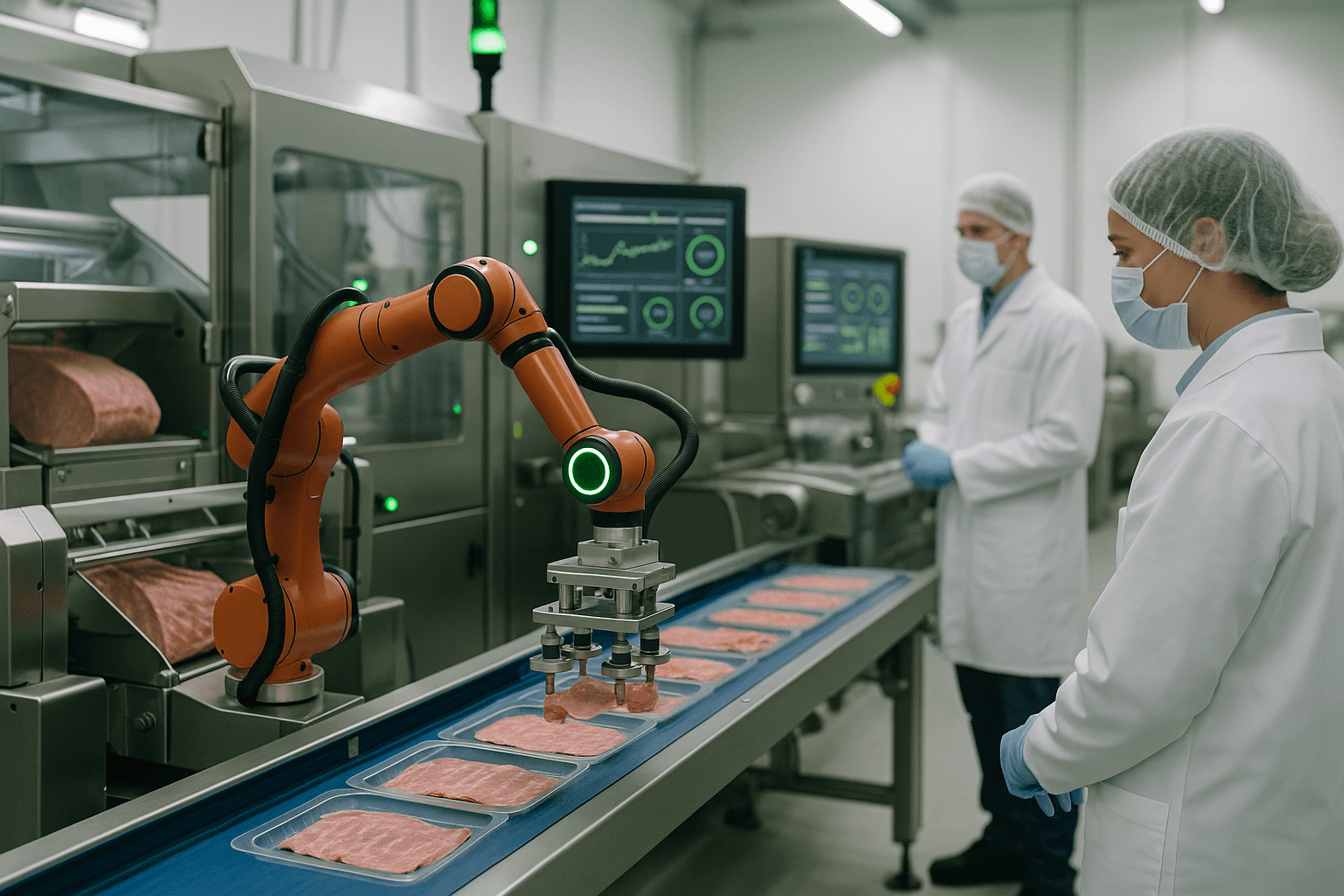
The integration of automation and robotics has significantly enhanced operational efficiency in meat processing facilities. Automated systems now handle tasks ranging from slaughtering to packaging, reducing human error and increasing throughput. For instance, robotic butchers equipped with advanced sensors can perform precise cuts, ensuring consistency and maximizing yield. This technological shift not only streamlines operations but also addresses labor shortages by reducing the reliance on manual labor.
Advanced Meat Processing Equipment: Precision and Quality
Modern meat processing equipment has evolved to offer greater precision and quality control. High-tech slicers, grinders, and mixers are now equipped with programmable settings, allowing for customization based on specific product requirements. These machines ensure uniformity in product size and texture, which is essential for meeting the standards of discerning clients such as restaurants and specialty meat shops.
Enhanced Food Safety Measures: Protecting Consumers
Food safety remains a paramount concern in the meat industry. Innovations such as ultraviolet (UV) light sterilization and antimicrobial surface coatings on equipment have been implemented to reduce the risk of contamination. Additionally, real-time monitoring systems can detect pathogens during processing, enabling immediate corrective actions. These advancements not only protect consumers but also help businesses comply with stringent health regulations.
Sustainable Practices: Meeting Environmental Responsibilities
Sustainability is increasingly influencing equipment design and processing methods. Energy-efficient machinery reduces the carbon footprint of operations, while water recycling systems minimize waste. Some facilities have adopted waste-to-energy technologies, converting by-products into bioenergy. These practices not only benefit the environment but also resonate with eco-conscious consumers and partners.
Data Analytics and IoT: Driving Informed Decisions
The adoption of data analytics and the Internet of Things (IoT) has transformed meat processing into a data-driven industry. Sensors embedded in equipment collect data on variables such as temperature, humidity, and equipment performance. This information is analyzed to optimize processes, predict maintenance needs, and ensure product quality. For example, predictive maintenance can prevent equipment failures, reducing downtime and associated costs.
Traceability Systems: Ensuring Transparency
Consumers and regulatory bodies are demanding greater transparency in the food supply chain. Advanced traceability systems, utilizing blockchain technology, provide an immutable record of a product's journey from farm to table. This not only builds consumer trust but also facilitates swift action in the event of a recall, protecting both public health and brand reputation.
Training and Skill Development: Adapting to Technological Changes
As technology reshapes the industry, continuous training and skill development become essential. Meat processing professionals must stay abreast of new equipment and software to operate efficiently. Investing in training programs ensures that staff can effectively utilize new technologies, leading to improved productivity and product quality.
Conclusion
The meat processing industry is at a pivotal juncture, with technology driving significant changes in equipment and methodologies. For professionals dedicated to delivering high-quality meat products, embracing these advancements is not just beneficial—it's imperative. By staying informed and adaptable, businesses can thrive in this evolving landscape, meeting the needs of wholesale buyers, retailers, and consumers alike.
Call to Action: We invite you to share your experiences and insights on integrating new technologies into meat processing. How has innovation impacted your operations, and what challenges have you encountered? Join the conversation and help shape the future of our industry.