
Introduction
In the dynamic world of meat processing, staying ahead of technological advancements is crucial for maintaining efficiency, ensuring product quality, and meeting evolving consumer demands. As we step into 2026, the industry is witnessing transformative changes driven by innovation and sustainability. This article delves into the latest equipment and technology trends shaping the meat processing sector, offering insights for wholesale meat buyers, retailers, food service providers, and other stakeholders.
Automation and Robotics: Revolutionizing Processing Lines
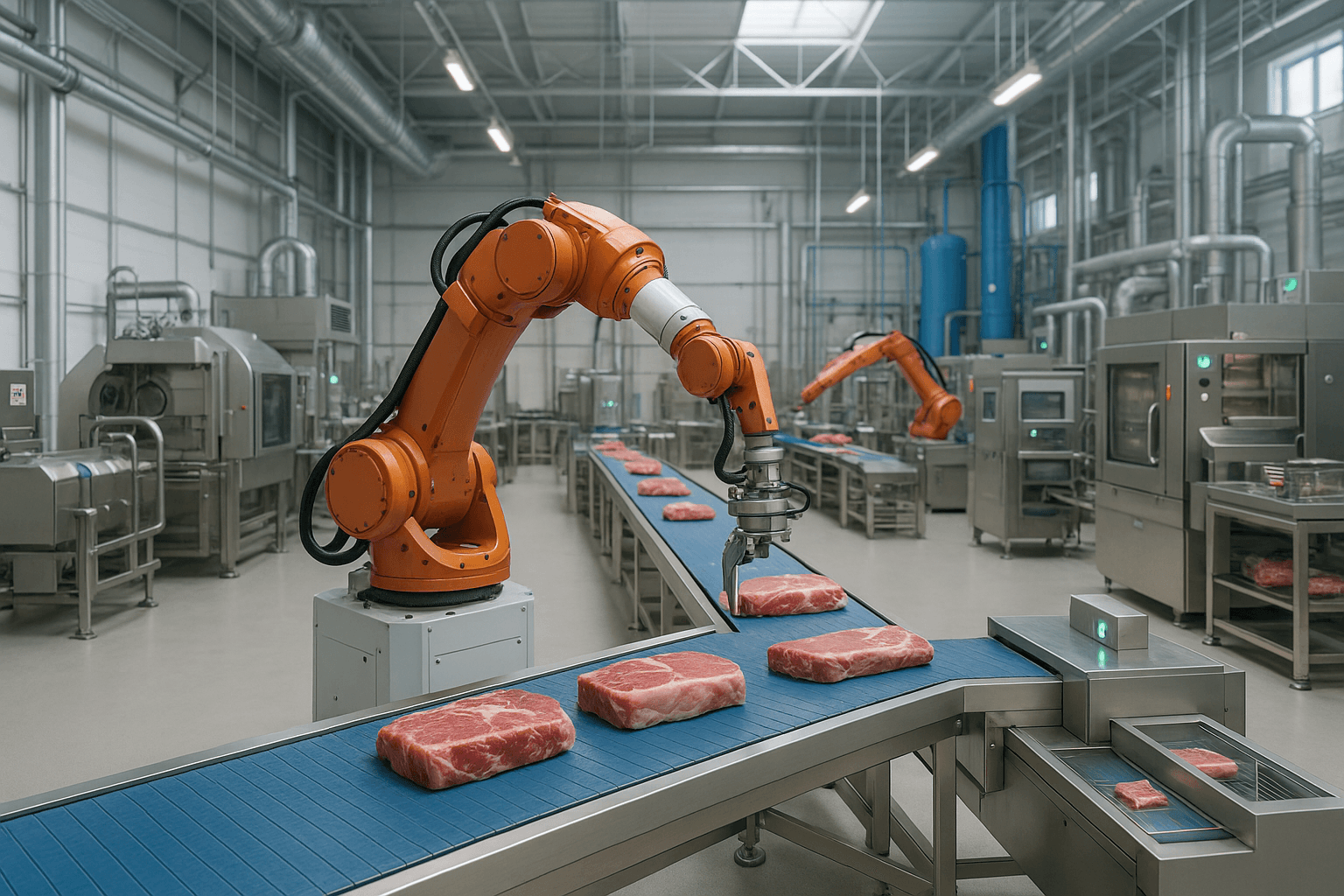
The integration of automation and robotics has become a cornerstone in modern meat processing facilities. These technologies enhance precision, reduce labor costs, and improve safety standards. Key developments include:
-
Robotic Carcass Handling Systems: Advanced robots are now capable of performing complex tasks such as deboning and cutting with remarkable accuracy, minimizing waste and maximizing yield.
-
AI-Powered Quality Inspection: Artificial intelligence systems equipped with machine learning algorithms can detect defects and ensure consistent product quality, thereby reducing human error and enhancing efficiency.
-
Automated Packaging Solutions: From vacuum sealing to labeling, automated packaging machines streamline operations, ensuring products are securely and hygienically packed for distribution.
Sustainability: A Driving Force in Equipment Innovation
Environmental concerns are prompting meat processors to adopt sustainable practices, influencing equipment design and operation. Notable trends include:
-
Energy-Efficient Machinery: New processing equipment is engineered to consume less energy, reducing operational costs and carbon footprints.
-
Water Conservation Technologies: Advanced water recycling systems are being implemented to minimize water usage during processing, addressing both environmental and economic concerns.
-
Waste Reduction Initiatives: Equipment designed to utilize by-products effectively is gaining traction, turning waste into value-added products and promoting a circular economy.
Enhanced Food Safety Measures
Ensuring food safety remains paramount in meat processing. Technological advancements are bolstering safety protocols through:
-
Real-Time Monitoring Systems: Sensors and IoT devices provide continuous monitoring of critical parameters such as temperature and humidity, ensuring compliance with safety standards.
-
Blockchain Traceability: Implementing blockchain technology allows for transparent tracking of meat products from farm to fork, enhancing traceability and consumer trust.
-
Contamination Detection Sensors: Advanced sensors can detect contaminants at various stages of processing, enabling prompt corrective actions and safeguarding public health.
Catering to Specialty Markets
The growing demand for specialty meat products is influencing equipment trends:
-
Halal and Kosher Certification Compliance: Equipment is being designed to meet the specific requirements of Halal and Kosher processing, ensuring adherence to religious standards.
-
Organic Meat Processing: Machinery tailored for organic meat processing is gaining popularity, addressing the needs of health-conscious consumers seeking natural products.
The Rise of Modular and Mobile Processing Units
Flexibility in processing is becoming increasingly important, leading to the adoption of modular and mobile units:
-
Modular Meat Processing Systems: These systems allow processors to scale operations up or down based on demand, offering cost-effective solutions for varying production needs.
-
Mobile Harvest Units: Designed for on-site slaughtering, these units enable farmers and ranchers to process meat directly at the source, reducing transportation costs and stress on animals.
Conclusion
The meat processing industry in 2026 is characterized by rapid technological advancements aimed at enhancing efficiency, sustainability, and food safety. Embracing these trends is essential for businesses to remain competitive and meet the evolving demands of consumers and regulatory bodies.
Call to Action: Stay informed and proactive in adopting these emerging technologies to ensure your operations are at the forefront of the industry. How is your organization planning to integrate these advancements into your meat processing practices?